

When you need eye care, you might hear terms like “optometrist” and “ophthalmologist” and wonder what they mean. Many people use “eye doctor” as a catch-all term, but there are actually important differences between these two types of professionals. Both play valuable roles in protecting your vision and eye health, but they have different training, qualifications, and areas of expertise.
Keep reading to learn about the key differences between optometry and ophthalmology, what services each professional provides, and how to decide which one is right for your needs.
What Is an Optometrist?

An optometrist is a primary eye care provider who focuses on vision and eye health. After completing a four-year undergraduate degree, optometrists attend four years of optometry school to earn their Doctor of Optometry (O.D.) degree.
This specialized education prepares them to examine eyes, diagnose vision problems, and prescribe corrective lenses. Optometrists perform comprehensive eye exams to check your vision and screen for common eye conditions. They can prescribe and fit glasses and contact lenses to correct nearsightedness, farsightedness, and astigmatism. Many optometrists also diagnose and treat conditions like dry eye, pink eye, and minor eye infections.
In most states, optometrists can also prescribe medications for certain eye conditions. They often work closely with ophthalmologists, referring patients when more advanced medical care or surgery is needed. This often helps make sure you get the right level of care at the right time.
What Is an Ophthalmologist?

An ophthalmologist is a medical doctor who specializes in eye and vision care. Their training path is more extensive, starting with a four-year undergraduate degree, followed by four years of medical school to earn an M.D. (Doctor of Medicine) or D.O. (Doctor of Osteopathic Medicine) degree. After medical school, ophthalmologists complete at least four years of specialized residency training in ophthalmology so they can diagnose and treat all eye conditions, from the simplest to the most complex.
They can also manage various eye conditions and perform eye surgery, including cataract surgery, LASIK, glaucoma procedures, and retina surgery.
Many ophthalmologists pursue additional fellowship training after residency to subspecialize in areas like cornea and external disease, retina, glaucoma, or pediatric ophthalmology. This extra year or two of training makes them experts in treating specific eye conditions and performing specialized surgical procedures.
Key Differences Between Ophthalmologists and Optometrists
Years of Education Required
The path to becoming an optometrist takes about eight years of higher education (four years undergraduate plus four years of optometry school). Ophthalmologists invest at least 12 years in their education and training (four years undergraduate, four years medical school, and four years of residency). Some ophthalmologists complete even more training through fellowships in their chosen subspecialty.
Scope of Medical Training
While both professions require extensive study, the nature of their training differs significantly. Optometry school focuses specifically on vision science, optics, and primary eye care. Medical school, on the other hand, covers all body systems and diseases before ophthalmology residents specialize in eye care during their residency years.
This broader medical training allows ophthalmologists to understand how conditions like diabetes, high blood pressure, and autoimmune diseases affect the eyes. They can perform complex surgeries and provide medical treatments for serious eye diseases. The different educational paths mean each profession brings unique strengths to eye care, which is why they often work together to serve patients.
Which Eye Care Professional Should You See?
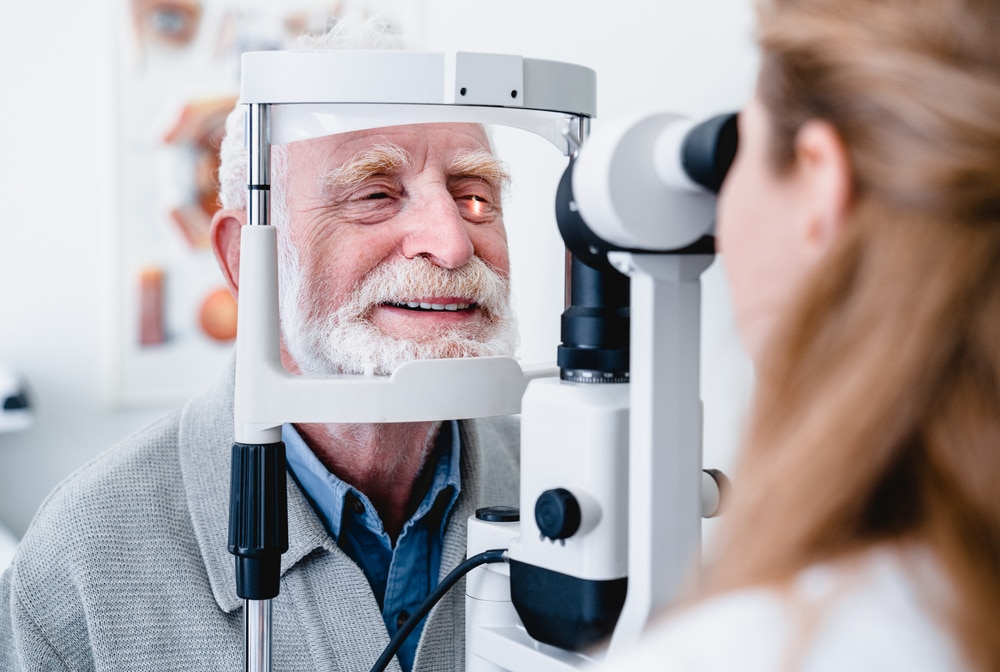
Optometrists can be a good choice when you need new glasses or contact lenses, or when you’re experiencing minor vision changes. They can handle many common eye concerns and will refer you to an ophthalmologist if they discover something that requires medical treatment or surgery.
However, you should schedule an appointment with an ophthalmologist if you’ve been diagnosed with an eye disease or need eye surgery. See an ophthalmologist right away for sudden vision loss, eye injuries, or symptoms like flashes of light and new floaters. You should also consult an ophthalmologist if you have a health condition like diabetes that puts you at higher risk for eye health concerns.
People with complex eye conditions benefit from an ophthalmologist’s medical expertise and surgical skills. At All Eye Care, P.A., The Physicians can provide both routine care and advanced treatments, depending on what your eyes need.
If you need comprehensive eye care, medical treatment for an eye condition, or evaluation for eye surgery, our team is here to help.
Schedule your appointment at All Eye Care, P.A. in Waxahachie, TX, today to receive expert care tailored to your individual needs.