
Top 6 Signs You’re Experiencing Eye Fatigue
Some workdays end with sore feet or a stiff back from being on the move. Others leave you with tiredness that settles behind your eyes and has nothing to do with how much you walked or lifted that day. Here are six signs that you might be experiencing eye fatigue! 1. Your Eyes Feel Heavy…
Read More
Healthy Aging Month: Vision Care Tips for Every Decade
September is Healthy Aging Month, which makes it a great time to think about a part of your health that might otherwise take a backseat. Your eyes change on a fairly predictable schedule. What protects your vision at 30 is not what matters most at 65, and knowing what each decade brings makes it easier…
Read More
How to Prevent Common Eye Injuries at Home and Work
Most people picture eye injuries happening on a construction site or a sports field. In reality, the majority occur in ordinary places you spend time every day. The kitchen, the garage, the backyard, and the office are all common sites for accidents that can scratch the cornea, burn the surface of the eye, or cause…
Read More
What are Floaters and When Should I Worry About Them?
If you’ve ever glanced up at a clear blue sky or a blank white wall, and suddenly you notice tiny specks, threads, or cobweb shapes drifting across your vision, you may have floaters. Most of the time, floaters are a normal part of how your eyes age. But a sudden change in them can signal…
Read More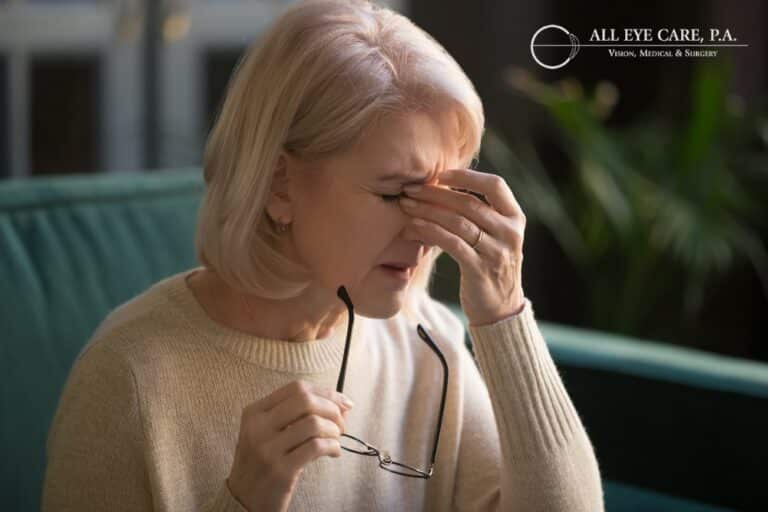
The Complete Guide to Proper Contact Lens Care
Contact lenses are one of the safest forms of vision correction available when they’re cared for properly. When they’re not, they become one of the more common sources of preventable eye infections. The difference almost always comes down to daily habits! Keep reading to learn how to properly care for your contact lenses to maintain…
Read More
Effective Ways to Find Relief From Dry Eye
Dry eye is one of the most common complaints patients bring up during eye appointments, and one of the most frequently undertreated. The burning, grittiness, and fluctuating vision that come with it can affect your ability to read, work at a screen, or even drive comfortably. For many people, those symptoms don’t resolve on their…
Read More
Sports Eye Safety Month: Protecting Your Vision on the Field and Court
Every year, tens of thousands of sports-related eye injuries are treated in emergency rooms across the country, and the majority of them are preventable. Sports rank among the leading causes of eye injuries in both children and adults. The damage ranges from minor corneal abrasions to serious blunt trauma that can permanently alter your vision….
Read More
How Do Eye Doctors Test For Glaucoma?
Your eyes maintain a delicate balance of fluid pressure that keeps them healthy and functioning properly. When this balance is disrupted, it can lead to glaucoma, a condition that gradually damages the optic nerve. The challenge is that you won’t feel high pressure or notice early nerve damage on your own. Detecting glaucoma requires specialized…
Read More
Optometry vs. Ophthalmology: What is the Difference?
When you need eye care, you might hear terms like “optometrist” and “ophthalmologist” and wonder what they mean. Many people use “eye doctor” as a catch-all term, but there are actually important differences between these two types of professionals. Both play valuable roles in protecting your vision and eye health, but they have different training,…
Read More
5 Things to Learn About Glaucoma During Glaucoma Awareness Month
January marks Glaucoma Awareness Month, making it the perfect time to learn about one of the leading causes of blindness worldwide. This condition affects millions of people, often without warning signs until significant vision loss has already occurred. Keep reading to discover five important facts about glaucoma that everyone should know during this important awareness…
Read More



2271 N HWIGHWAY 77
SUITE 100
WAXAHACHIE, TX 75165
Monday - Friday
8 am - 5 pm
Privacy Policy Accessibility Disclaimer
All Rights Reserved © All Eye Care, P.A. 2023
This Dr. Rugwani, ophthalmology website makes every attempt to comply with The Americans with Disabilities Act (ADA) of 1990. If you are using a screen reader and are having problems using this website, please call for assistance.